
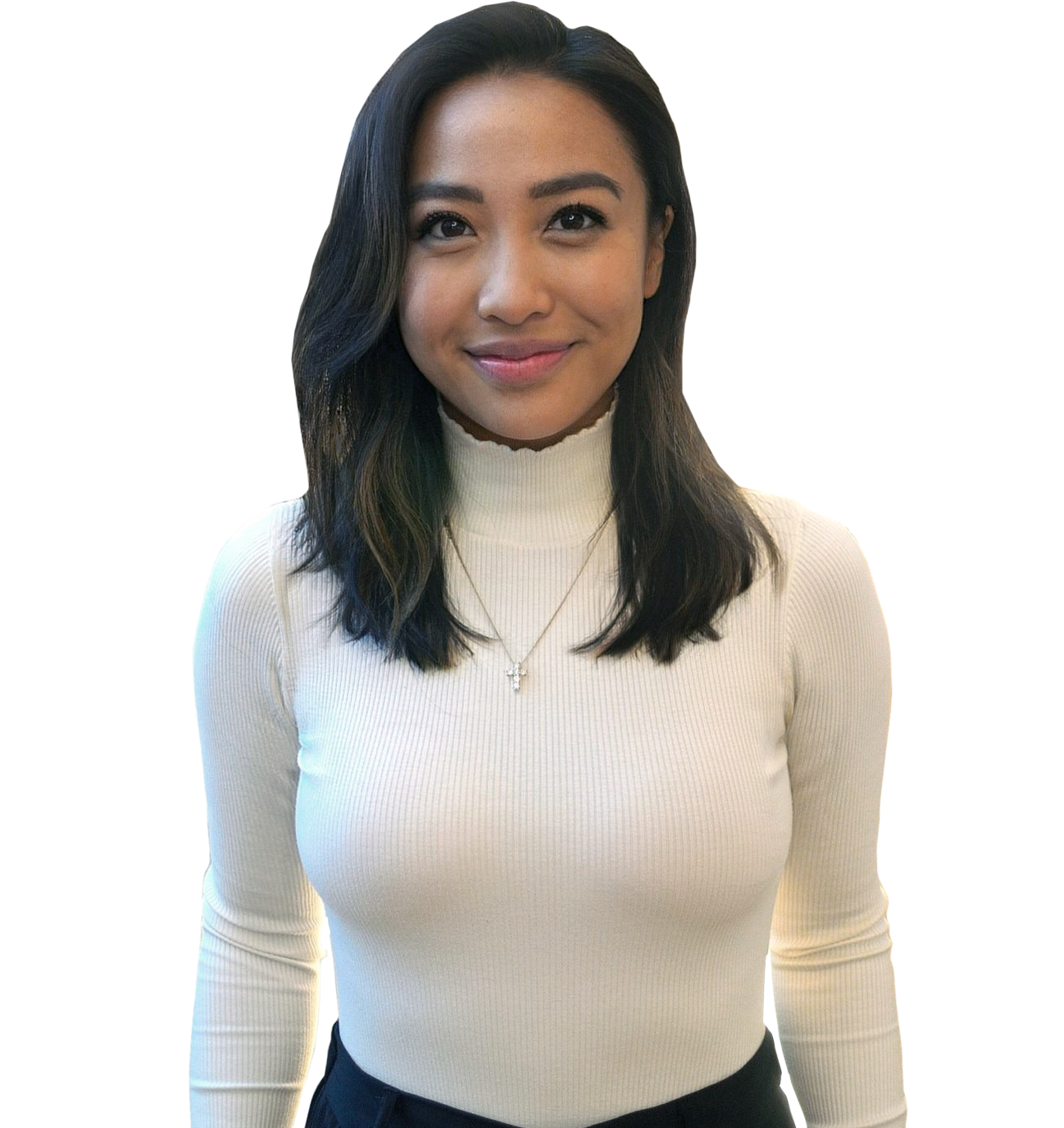
I am a PhD Candidate in Management and Organizations at the Stephen M. Ross School of Business, University of Michigan.
Prior to my doctoral studies, I received her B.A. in International Relations, B.S. with Honors in Science, Technology, and Society, and M.A. in Sociology from Stanford University. After completing her master’s studies, I was granted the Predoctoral Research Fellowship with Stanford Center on Philanthropy and Civil Society (PACS) to work with Professor Woody Powell in the Civic Life of Cities Lab.
I am passionate about social connection and disconnection at work. My research examines how people gain, limit, and lose access to connection at work. Whereas much research focuses on the quality and consequences of relationships that already exist, I focus on an earlier question: whether the interactions from which relationships form occur in the first place. I study the psychological, social, and organizational forces that shape whether people initiate, sustain, and benefit from potentially valuable interactions.
One stream of my research examines how efforts to regulate the self shape relationships with others. My dissertation, The Busy Bee Effect, introduces the concept of self-imposed busyness—voluntarily continuing to work when rest is available—and shows that chosen busyness can foster feelings of productivity and self-worth, which in turn support thriving and resilience. Yet these same efforts to sustain the self can reshape the relational environment others encounter: visible busyness, for example, can discourage people from approaching even when interaction would be welcome.
A second stream examines how expectations about social experiences restrict connection before interactions even begin. My research shows that people underestimate how engaging seemingly boring conversations will be, exaggerate the lasting consequences of awkward moments, and underestimate how positively others will respond to personal disclosures and accomplishments. Across these projects, people often withdraw not because social interactions actually go poorly, but because they expect them to.
A third stream asks how organizations can design connection into work rather than leaving it entirely to individual initiative. I am also extending this work to a fourth force shaping access to connection: technology. As conversational AI and other low-risk social partners become increasingly available, I examine when they bridge people toward human relationships and when they instead substitute for the interactions through which durable workplace relationships develop.
Across these projects, my broader aim is to understand how access to connection becomes psychologically restricted, socially produced, organizationally restored, and technologically influenced. Ultimately, I seek to explain why valuable relationships sometimes fail to develop even when people would benefit from them—and how workplaces can make those relationships more likely to begin.
My research has appeared in leading journals, including the Journal of Personality and Social Psychology, Organizational Behavior and Human Decision Processes, Academy of Management Annals, and Emotion. It has also been featured in global media outlets, including Harvard Business Review, TIME Magazine, NBC News, The Guardian, The Times of London, NPR, and SiriusXM Radio.
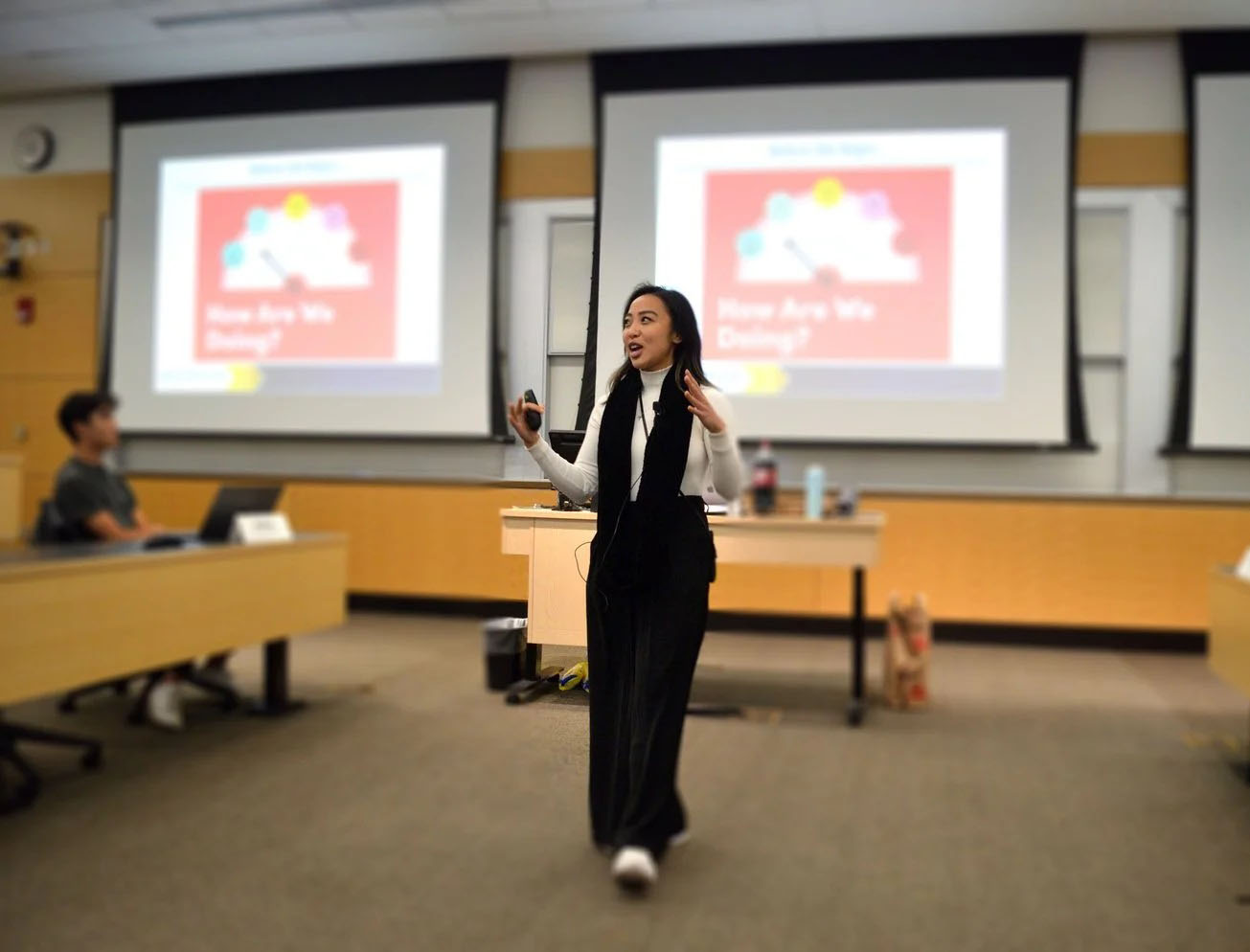
University of Michigan, Ross School of Business, Management and Organizations 300: Behavioral Theory in Management (Undergraduate Course, 2022)
Stanford University, Public Policy: Environmentalism in California (Undergraduate Course, 2017)

University of Michigan, Ross School of Business, Full-Time MBA Orientation (2021)
University of Michigan, Ross School of Business, Management and Organizations 602: The Psychology of Start-up Teams (MBA Course, 2021)
Stanford University, Bioengineering 122/222: Biosecurity and Bioterrorism Response (now entitled “BioSecurity and Pandemic Resilience”; Undergraduate and Graduate Course, 2015 – 2019)
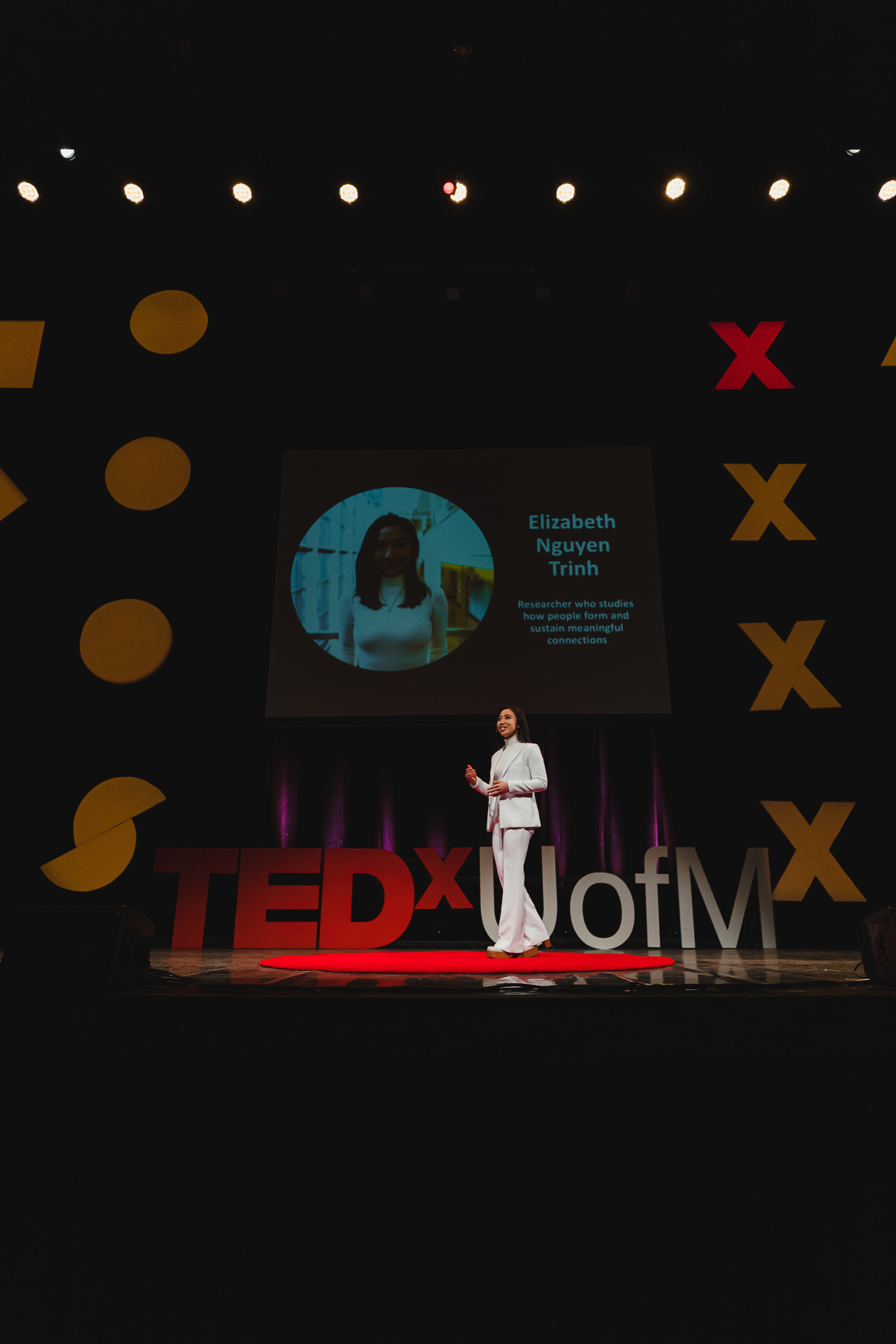
Mentorship has played an important role in shaping my personal and professional growth. I have had the privilege of both receiving guidance from esteemed mentors and mentoring aspiring students. To share my experiences and insights, I was invited to give a TED Talk on mentorship.